The Geopolitical Shift: Analyzing U.S.-Iran Relations and Global Implications
4/4/20268 min read
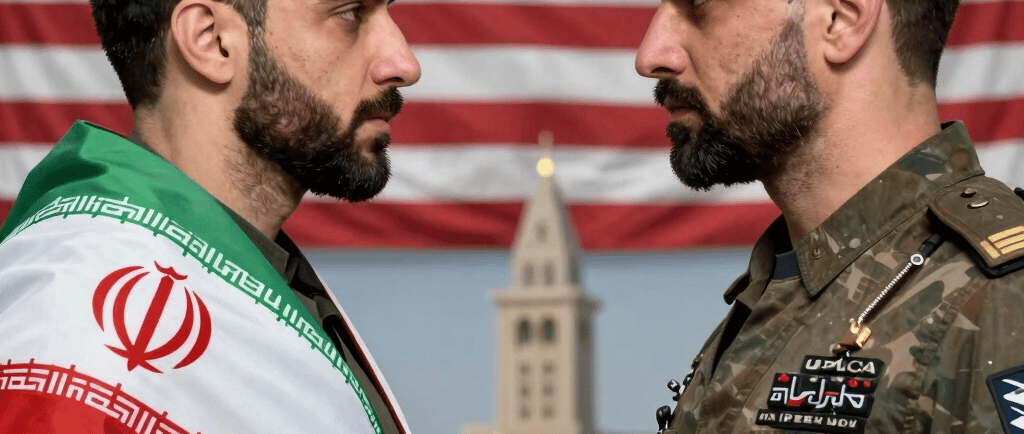
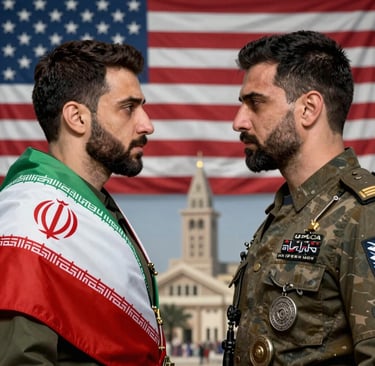
Introduction: The Current State of U.S.-Iran Relations
The geopolitical landscape of the Middle East has been profoundly shaped by the complex relationship between the United States and Iran. In recent years, particularly during the administration of former President Donald Trump, U.S.-Iran relations have been characterized by heightened tensions and significant policy shifts. Trump's approach to foreign policy, emphasizing a hardline stance known as "maximum pressure," aimed to curb Iran's nuclear ambitions and its influence in the region. This strategy involved the withdrawal from the Joint Comprehensive Plan of Action (JCPOA) in 2018, which had previously sought to limit Iran's nuclear capabilities in exchange for economic incentives.
This withdrawal not only marked a pivotal point in U.S.-Iran relations but also led to the re-imposition of stringent economic sanctions on Iran, adversely affecting its economy and further escalating hostilities. The immediate impact of Trump's policies was the increased rhetoric between Washington and Tehran, with both sides engaging in a series of hostile exchanges. Such developments have drawn the attention of other international actors, complicating the broader geopolitical implications of these relations.
Furthermore, the fallout from Trump's decisions extended beyond diplomatic stagnation, influencing regional allies and adversaries alike. Countries such as Israel and Saudi Arabia welcomed the U.S. stance against Iran, while nations like Russia and China sought to reinforce their partnerships with Tehran amid U.S. sanctions. The ongoing complexity of U.S.-Iran relations is reflective of a larger struggle for influence within the geopolitically significant Middle East, where energy resources, security concerns, and ideological differences play a crucial role. Such dynamics necessitate a thorough understanding of the historical and contemporary factors that shape U.S.-Iran interactions and the global ramifications of these developments.
Trump's Leadership and Foreign Policy Decisions
During his presidency, Donald Trump's leadership style and foreign policy decisions regarding Iran significantly deviated from traditional diplomatic approaches. One of the primary reasons for this shift was his desire to break away from the established frameworks that characterized previous administrations. Trump often prioritized personal relationships and direct negotiations over longstanding diplomatic protocols, leading to substantial internal challenges within his own leadership team.
Amid dissent from key advisors and experienced diplomats, Trump distanced himself from conventional strategies in relation to Iran. This detachment stemmed from a complex interplay of internal party dynamics, with the Republican base increasingly advocating for a hardline approach to Tehran. Influential figures within his administration and the party, such as John Bolton and Mike Pompeo, championed aggressive stances, pressing for the abandonment of the Joint Comprehensive Plan of Action (JCPOA), which had been critical in limiting Iran's nuclear activities.
As Trump's leadership evolved, the administration’s foreign policy decisions seemed increasingly influenced by populist sentiment, focusing on national security narratives that resonated with his supporters. This pivot propelled the U.S. to impose stringent sanctions on Iran, which were designed to cripple its economy and limit its regional influence. However, this approach also sparked considerable criticism, as it altered the dynamics of U.S.-Iran relations and triggered responses designed to undermine U.S. interests in the region.
Consequently, the implications of Trump's decisions extended beyond bilateral relations with Iran; they reshaped the geopolitical landscape, impacting alliances and rivalries globally. As the president advanced his agenda, balancing international pressure with domestic expectations proved to be a formidable challenge, leading to ongoing debate regarding the efficacy and morality of his foreign policy approach.
Iran’s Request for Help: A Closer Look
In recent months, tensions between the United States and Iran have escalated dramatically, leading to a complex geopolitical landscape. Amidst this turmoil, Iran has been reported to seek assistance from various international players. Understanding the legitimacy of these claims is crucial in evaluating the evolving situation in the region. Iranian officials have publicly stated their need for external support, citing economic difficulties exacerbated by sanctions, military pressures, and diplomatic isolation.
According to diplomatic sources, Tehran is particularly interested in forging or strengthening alliances with countries that have historically supported its interests. This includes nations in Asia, the Middle East, and even Europe, which have been hesitant to fully align with U.S. policies. Analysts have noted that Iran may view cooperation with these nations as a strategic necessity, particularly given the weight of U.S. sanctions that have severely limited its economic prospects.
Regional experts emphasize that Iran's requests for help are not merely reactive but rather a calculated effort to assert itself on the global stage. By seeking assistance, Iran aims to regain momentum in its geopolitical stance, potentially reshaping the balance of power in the region. This shift could manifest in various forms, such as increased military cooperation, trade agreements, or supportive rhetoric against U.S. interventions.
However, the extent to which other countries will respond to Iran's overtures remains a matter of debate. While some nations may see value in supporting Iran as a counterbalance to U.S. influence, others may remain wary due to concerns over Iran's regional ambitions and nuclear aspirations. Thus, Iran's requests for help highlight not only its current predicaments but also the delicate interplay of international relations as it attempts to navigate the ongoing conflicts with the U.S.
The Geopolitical Landscape in Asia: Conflicting Interests
The geopolitical landscape in Asia is characterized by a complex web of interests, particularly concerning the relationship between the United States and Iran. In recent years, critical players including China, Russia, and the U.S. have been actively engaged in crafting policies that not only impact bilateral relations but also influence regional stability. Each of these nations has a vested interest in the developments surrounding Iran, manifesting in both cooperation and contention.
China has emerged as a significant ally of Iran, driven by energy needs and geopolitical strategy. The Belt and Road Initiative exemplifies China's interest in establishing robust economic ties, providing infrastructure investments, and securing energy supplies from Iran. This partnership serves as a counterbalance against U.S. influence in the region, further entrenching the Sino-Iranian relationship, especially amidst U.S. sanctions. This fuels a complex dynamic where China seeks to expand its footprint while simultaneously challenging American hegemony.
On the other hand, Russia shares a strategic partnership with Iran, despite its own rivalry with various Western powers. Russia's military and economic engagements in Syria and ongoing collaborations in energy projects reflect shared interests in undermining U.S. policies in the Middle East. Furthermore, this partnership allows Russia to solidify its position as a key player in Asian geopolitics, leveraging its relationship with both Iran and China against Western influences.
Conversely, the United States has adopted a multifaceted approach, enforcing sanctions on Iran and seeking the support of regional allies such as Saudi Arabia and Israel to counter the growing influence of Iran. These conflicting interests create a tumultuous environment in Asia, where the balance of power is volatile and subject to rapid change. As these great powers navigate their respective interests, the ramifications extend beyond regional borders, significantly shaping the global geopolitical landscape.
European Countries’ Involvement: Balancing Act
In the complex landscape of U.S.-Iran relations, European countries find themselves in a precarious balancing act, striving to manage their geopolitical interests while fostering diplomatic relations with both the United States and Iran. Amid heightened tensions, European nations have often taken a mediating stance, promoting dialogue and negotiation as solutions to the ongoing conflicts.
European Union (EU) member states have historically advocated for diplomatic engagement rather than confrontation. This approach aligns with their commitment to multilateralism, a cornerstone of EU foreign policy. For instance, following the U.S. withdrawal from the Joint Comprehensive Plan of Action (JCPOA) in 2018, European powers—specifically France, Germany, and the UK—joined efforts to salvage the nuclear agreement. Their aim was to preserve the framework of the deal, which sought to limit Iran’s nuclear ambitions through international oversight.
European countries face the challenge of reconciling their partnership with the U.S. and their economic and diplomatic relations with Iran. The imposition of sanctions by the U.S. has stymied trade relationships, leading European businesses to reconsider their positions in light of potential repercussions from American authorities. In response, European nations have been working on mechanisms like the Instrument in Support of Trade Exchanges (INSTEX) to facilitate trade with Iran while circumventing U.S. sanctions. This illustrates their commitment to maintaining economic ties, despite the pressures exerted by Washington.
Moreover, European countries have engaged in proactive diplomacy, attempting to facilitate dialogue between the U.S. and Iran to de-escalate tensions. Through informal channels and high-level meetings, they have sought to act as intermediaries, conveying the concerns and positions of each side. This diplomatic engagement not only preserves European interests in regional stability but also enhances their influence in a rapidly evolving global landscape.
The Role of Alliances: Middle East Dynamics
The geopolitical landscape of the Middle East is characterized by a complex interplay of alliances that significantly shape the trajectories of regional conflicts, particularly in relation to U.S.-Iran relations. Iran has strategically positioned itself as a pivotal player in the region through its alliances with various state and non-state actors, enhancing its influence across several countries including Syria, Lebanon, and Iraq. These partnerships empower Iran to project power and assert its regional aspirations, which in turn affects the dynamics of U.S. foreign policy and its diplomatic engagements in the Middle East.
One of the most notable alliances is that between Iran and Hezbollah, the Lebanese militia and political group. This partnership not only provides Iran with a direct foothold in Lebanon but also serves as a critical element in countering U.S. and Israeli influence in the region. Furthermore, Iran's relationship with the Assad regime in Syria reinforces its presence on Israel's northern border, complicating efforts to achieve regional stability. Iran's alignment with Iraq's Shiite-dominated government following the U.S. invasion has similarly granted it considerable sway over Iraqi politics, showcasing how alliances can create a ripple effect of influence across neighboring nations.
The formation of alliances is not limited to Iran, as the U.S. has also sought to fortify its relationships with traditional allies such as Saudi Arabia and Israel. This axis of cooperation aims to contain Iranian ambitions and mitigate the risks posed by Tehran’s nuclear program and military actions. The resulting confrontations between these competing alliances often raise tensions, complicating crisis management and negotiations aimed at achieving peace. Moreover, this alignment of interests among allies shapes global reactions, drawing in major powers like Russia and China, who support Iran as a counterbalance to U.S. dominance.
In summary, the dynamics of alliances in the Middle East profoundly influence the ongoing U.S.-Iran conflict, underscoring the importance of these relationships in broader global geopolitical considerations. The interaction between Iran's alliances and those of the U.S. continues to evolve, reflecting the multifaceted nature of power in this strategically vital region.
Conclusion: The Future of U.S.-Iran Relations and Global Stability
As we reflect on the current geopolitical landscape, it is evident that U.S.-Iran relations are at a pivotal juncture, characterized by a complex interplay of historical tensions, recent developments, and evolving global dynamics. The future trajectory of these relations is likely to have significant implications not only for both nations but also for broader regional and global stability.
Recent diplomatic efforts, including negotiations surrounding Iran's nuclear program, indicate a potential thaw in hostilities. However, the ongoing regional conflicts and geopolitical rivalries centering around Iran's influence, particularly in the Middle East, continue to complicate the landscape. Analysts suggest that while there may be opportunities for dialogue, any agreements achieved will require careful navigation of entrenched positions on both sides. These complexities highlight the delicate balance that must be maintained in fostering a more stable bilateral relationship.
The global implications of U.S.-Iran relations extend beyond bilateral interests. As tensions fluctuate, so too do the economic, military, and political reverberations felt throughout the international community. A stabilizing relationship between the U.S. and Iran could lead to a more secure Middle East, reducing the prospect of conflict and fostering cooperative efforts on issues such as climate change and counterterrorism. Conversely, an escalation in tensions could exacerbate existing conflicts and lead to wider regional instability.
In conclusion, while the path ahead for U.S.-Iran relations remains uncertain, the potential for constructive engagement exists. As both nations navigate these critical waters, their decisions and actions will not only shape their future but also hold significant consequences for global peace and stability. Continued dialogue, strategic diplomacy, and a commitment to mutual understanding may help pave the way towards a more stable and cooperative future in the region.
© 2026. All rights reserved By Confidant Mentor.




Private Life Coaching Through Phone Calls.
We provide confidential mentoring, private life coaching, and phone - base guiding services. Get support for mid-age life crisis, career transition and personal growth. Your privacy is our priority, every conversation is safe, every session is confidential and your identity remains completely private.